10 Crochet Bolero Cardigan Patterns

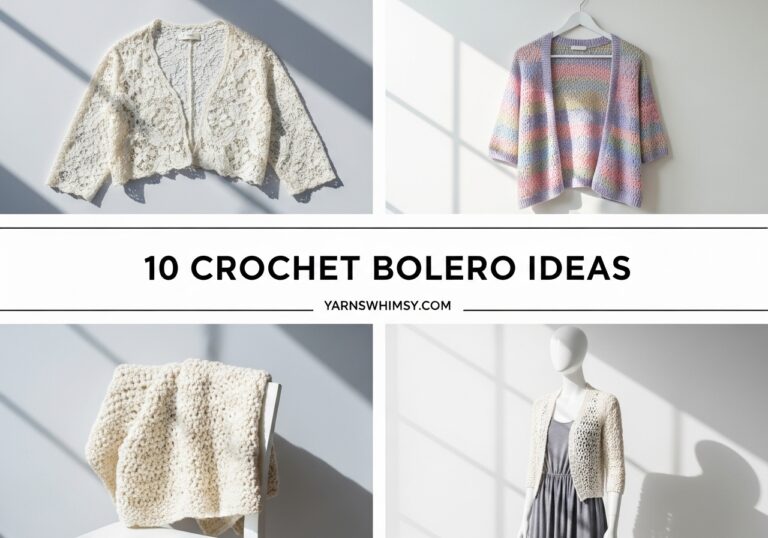
Boleros are one of those “instant outfit upgrades” that crocheters can actually finish and wear fast. They’re smaller than full cardigans, they play nicely with dressy outfits and jeans, and they’re the perfect excuse to use that one special yarn you’ve been hoarding. The modern bolero vibe right now is all about clean shaping, airy texture, cute cropped proportions, and simple construction that still looks intentional—think rectangles folded into sleeves, top-down raglan shrugs, lacy meshes, and motif-based pieces that feel fresh instead of fussy.
In this post, I’m sharing ideas and inspiration for 10 bolero-style cardigans you can crochet, plus links to the original free patterns/tutorials from the designers. I don’t write or recreate their patterns here—so you’ll always want to hop over to the original tutorial for stitch counts, sizing, and finishing details. Mix and match these ideas for different projects too: a lacy bolero for summer evenings, a chunky shrug for cozy season, or a motif bolero that turns scraps into a statement piece.
Quick list
- Fast Chunky Rectangle Bolero
- Adina Lace Bolero
- Glitzy Bolero
- Faux Real Minimalist Bolero
- Moonflower Crochet Bolero
- Top-Down Granny Shrug Bolero
- Granny Stripe Rectangle Shrug
- Summer Lightweight Bolero Shrug
- Ribbed “Lace” Bolero
- Classic Crochet Bolero
Fast Chunky Rectangle Bolero

If you love a garment that feels almost too easy for how good it looks, this chunky rectangle-style bolero is the one. The modern magic here is in the proportions: cropped body, roomy sleeves, and a cozy, structured drape that makes it look styled instead of “thrown on.” Construction is typically a simple panel worked in rows, then folded and seamed to create sleeves—so you get that cardigan feel without the commitment of a full sweater. This style is amazing in neutral tones (oat, charcoal, cream) for an elevated capsule-wardrobe look, but it also looks incredible in a single bold color as a statement layer. Perfect for tossing over tanks, tees, and slip dresses when you want warmth without bulk. Tutorial
Supplies
- Bulky or super bulky yarn (solid or tweed)
- 6–10 mm hook (size depends on yarn)
- Yarn needle + scissors
- Stitch markers (helpful for seaming points)
Skill level
Beginner to confident beginner—comfortable with basic stitches, working in rows, and simple seaming.
Best for
Everyday outfits, cozy lounge layers, quick gift makes, “one-skein-ish” style projects.
Yarn + hook
Bulky/super bulky with a larger hook for speed; size down if you want a denser, more structured fabric.
Why it’s great
Fast gratification + wearable results, and it’s a perfect intro to garment shaping without stress.
Adina Lace Bolero

A lace bolero is such a modern wardrobe secret weapon—especially when the lace is clean, geometric, and drapey instead of overly frilly. This style usually uses an open stitch pattern (mesh, lace fans, or a repeating motif) that creates that “light layer” effect without feeling heavy. The silhouette stays contemporary when it’s cropped and fitted at the shoulders, with sleeves that skim the arms rather than ballooning. It’s the kind of piece you throw over a cami for dinner, wear to weddings, or keep in your bag for chilly air conditioning. The construction often feels surprisingly straightforward: you’ll repeat a lace pattern, shape gently, and finish with tidy edging that makes it look polished. Choose a smooth yarn in a soft neutral or a muted jewel tone for a modern, boutique finish. Tutorial
Supplies
- DK or light worsted yarn (smooth yarn shows lace best)
- 3.5–5 mm hook
- Yarn needle + scissors
- Blocking tools (strongly recommended for lace)
Skill level
Intermediate—comfortable reading repeats, maintaining stitch pattern, and blocking for shape.
Best for
Dressy layering, summer evenings, bridal/occasion outfits, “I made this!” moments.
Yarn + hook
DK with a slightly larger hook can boost drape; go smaller for crisp stitch definition.
Why it’s great
Lace looks high-end, and this kind of project teaches you loads about drape and finishing.
Glitzy Bolero

If you want a bolero that feels modern and a little glam, a “glitzy” design is all about texture + shine without getting costume-y. Think subtle sparkle yarns, clean stitch patterns that catch light, and a silhouette that’s cropped and structured. The most wearable versions keep the fabric relatively smooth (no overly puffy shaping), then let the yarn do the talking—metallic thread blends, gentle sheen, or a fancy twist. This style is great for parties because it sits right where you want it: covering shoulders and arms, while still showing off the outfit underneath. You can keep it minimalist in black or champagne, or lean into color for a fun statement. It’s also a nice excuse to practice neat edges and tidy sleeve seams, because the finishing is what makes it look store-bought. Tutorial
Supplies
- DK or worsted yarn with shimmer (or held with a sparkle strand)
- 4–5.5 mm hook
- Yarn needle + scissors
- Stitch markers (for sleeve placement)
Skill level
Confident beginner to intermediate—comfortable with consistent tension and simple shaping/seaming.
Best for
Occasion wear, evening layers, holiday outfits, gifting something extra special.
Yarn + hook
Worsted with a mid-size hook gives a stable fabric; size up slightly for more drape.
Why it’s great
You get maximum impact from a small garment—perfect when you want “wow” without months of work.
Faux Real Minimalist Bolero

Minimalist boleros are having such a moment—clean lines, simple shaping, and that effortless “cropped jacket” feel. This kind of design is often built from a straightforward base shape (commonly a rectangle), then folded and secured to create sleeves and a neat back. The modern look comes from simplicity: no busy stitch pattern needed, just great fit, good drape, and tidy seams. This is also where color choice makes a huge difference—solid neutrals look super contemporary, while a soft ombré yarn gives it a subtle fashion twist without extra work. I love this idea for travel because it’s light, easy to pack, and works with lots of outfits. It’s also a fantastic “first garment” project because you’ll learn shaping logic and finishing skills without juggling complicated construction. Tutorial
Supplies
- Worsted or DK yarn
- 4–6 mm hook
- Yarn needle + scissors
- Measuring tape (for fit)
Skill level
Beginner to confident beginner—basic stitches, working flat, and simple seaming.
Best for
Everyday wear, beginner garments, quick wardrobe staples, layering over tanks and tees.
Yarn + hook
DK for lighter drape; worsted for a more structured look. Adjust hook size for your preferred fabric.
Why it’s great
Low-fuss construction, high wearability—this is the kind of piece you’ll reach for constantly.
Moonflower Crochet Bolero

A motif-inspired bolero with a modern floral vibe can be so current when the motif is bold and graphic rather than tiny and lacy. The “moonflower” style often combines statement stitch clusters with airy spacing, giving you texture that reads beautifully from across the room. What makes it feel modern is the balance: you get eye-catching stitchwork, but the overall silhouette stays clean—cropped length, defined sleeves, and a neckline that frames the outfit underneath. This is the type of bolero that looks incredible in solid colors (to highlight texture) or in carefully chosen gradients for a soft, dreamy effect. It’s also an amazing “slow fashion” piece—something you make with intention, block beautifully, and wear as a signature layer. Tutorial
Supplies
- DK yarn (great for stitch definition)
- 4–5 mm hook
- Yarn needle + scissors
- Blocking tools (especially for motifs/lace)
Skill level
Intermediate—comfortable with stitch pattern repeats, shaping, and finishing details.
Best for
Statement outfits, special occasions, layering over dresses, “crochet as fashion” looks.
Yarn + hook
DK with a hook that gives you drape; swatching helps keep motifs consistent.
Why it’s great
It’s a showpiece that still feels wearable—and you’ll learn a ton about structure + drape.
Top-Down Granny Shrug Bolero

The modern granny shrug is basically the cool-girl version of a classic motif. Instead of vintage rainbow chaos, today’s grannies are all about intentional color palettes—two-tone neutrals, earthy gradients, or crisp solids with a single contrast round. Top-down/raglan versions are especially wearable because you get a better shoulder fit and sleeves that feel like an actual cardigan rather than a draped wrap. The overall effect is cropped, comfy, and a little bit nostalgic in the best way. This is a brilliant stash-buster if you keep your colors curated, and it’s super customizable: make sleeves longer, add ribbing, or keep it short and shruggy. If you like projects you can try on as you go (and adjust easily), this style is a dream. Tutorial
Supplies
- Worsted yarn in 1–4 colors
- 5–6 mm hook
- Yarn needle + scissors
- Stitch markers (raglan points)
Skill level
Confident beginner—comfortable with granny stitch, working in the round, and color changes.
Best for
Casual layering, festivals, cozy-but-cute outfits, scrap projects with a modern palette.
Yarn + hook
Worsted with a mid-large hook for drape; size down if you want a firmer, less holey granny look.
Why it’s great
It’s customizable, satisfying, and feels trendy while still being classic crochet.
Granny Stripe Rectangle Shrug

Granny stripe is such an underrated modern texture—especially when you use clean stripes and a limited color palette. This shrug/bolero concept usually starts as a long rectangle worked in rows, then folded and seamed to create sleeves. The look is graphic, cozy, and very “throw it on and go.” What makes it feel current is treating it like a design piece: pick three colors that play well together (cream + tan + black is perfection), keep stripe widths consistent, and finish with crisp edging. It’s also a smart way to use yarn you already own, because the stripes can be as planned or as scrappy as you want. This style looks especially cute over a fitted long sleeve top with high-waisted jeans—instant outfit. Tutorial
Supplies
- Worsted yarn in 2–4 colors
- 5–6 mm hook
- Yarn needle + scissors
- Measuring tape (for length + sleeve placement)
Skill level
Beginner—basic stitches, color changes, and simple seaming.
Best for
Everyday wear, quick layering pieces, stash-busting with a modern stripe plan.
Yarn + hook
Worsted with a hook that gives soft drape; go smaller if you want less open space.
Why it’s great
Simple construction, bold results—perfect when you want “stylish” without complicated shaping.
Summer Lightweight Bolero Shrug

A warm-weather bolero should feel airy, soft, and effortless—something you can wear over a tank without overheating. Lightweight versions often use breathable stitches and simple shaping so the fabric stays flowy. The modern approach is all about drape: a slightly oversized sleeve, a cropped body, and a stitch pattern that moves (mesh, shells, or open clusters). This kind of bolero is perfect in plant fibers or blends that don’t feel sticky—cotton, bamboo, linen mixes, or light acrylics with a cool hand. Style-wise, it’s amazing for casual summer nights, vacations, and layering over sleeveless dresses. If you’re someone who loves garments but hates heavy projects, a summer bolero is the sweet spot: small enough to finish quickly, but still a real “wearable.” Tutorial
Supplies
- DK/light worsted breathable yarn (cotton or blends)
- 4–5.5 mm hook
- Yarn needle + scissors
- Blocking tools (helpful for drape)
Skill level
Confident beginner—comfortable with open stitch patterns and checking fit as you go.
Best for
Summer outfits, vacation layers, evening walks, lightweight wardrobe staples.
Yarn + hook
DK with a slightly larger hook for airflow; adjust down if you want more coverage.
Why it’s great
Gives you the “cardigan effect” without the heat—plus it’s quick and super wearable.
Ribbed “Lace” Bolero

This bolero idea is a gorgeous blend of stretch and texture: ribbing for a flattering fit, with a lacy feel that stays modern because it’s structured. Ribbed boleros tend to hug the shoulders nicely and keep sleeves comfortable, which makes them feel more like a real little cardigan than a wrap. The modern trick is keeping the stitch pattern clean and repeating—so the texture becomes the design. This style is stunning in a solid color because ribbing catches light and shadow in a really sophisticated way. It’s also a great choice if you prefer garments that don’t feel too holey but still look delicate. Pair it with a simple dress or a camisole and it instantly reads polished. Tutorial
Supplies
- DK or worsted yarn
- 4–5.5 mm hook
- Yarn needle + scissors
- Stitch markers (for shaping points)
Skill level
Intermediate—comfortable with ribbing techniques, stitch pattern consistency, and seaming.
Best for
Dressy casual outfits, layering over fitted tops, making something with a more tailored feel.
Yarn + hook
DK for refined ribbing; worsted for a cozier look. Choose a hook that gives you elasticity without being floppy.
Why it’s great
Ribbing + lace texture makes it look boutique-level, and it’s super satisfying to watch the fabric form.
Classic Crochet Bolero

Sometimes you just want a straightforward, wearable bolero that’s designed like a “real” garment pattern—multiple sizes, clear shaping, and a classic silhouette you can style a dozen ways. This type of bolero is modern when you keep the finish clean: minimal edging, solid color, and sleeves that sit neatly instead of slouching. Think of it as your wardrobe utility piece—the thing you grab when you want coverage on your arms but don’t want to hide your outfit. It also works brilliantly as a layering piece for events, especially if you choose a yarn with great stitch definition and a smooth fabric. If you’re looking to practice garment skills like consistent gauge and neat finishing, a classic bolero is a surprisingly satisfying project. Tutorial
Supplies
- DK or worsted yarn (depending on the pattern option)
- Hook size per pattern (commonly 4–5.5 mm)
- Yarn needle + scissors
- Measuring tape (for fit + sleeve length)
Skill level
Confident beginner to intermediate—comfortable with reading a pattern, shaping, and seaming/finishing.
Best for
Wardrobe basics, event layers, polished everyday outfits, gift makes.
Yarn + hook
Choose yarn based on season—DK for lighter wear, worsted for warmth. Match hook to get a smooth, even fabric.
Why it’s great
A reliable, classic silhouette you’ll actually wear, and a solid way to build garment confidence.
Conclusion
Bolero cardigans are the ultimate “small garment, big impact” crochet make—fast enough to finish, but stylish enough to become a repeat-wear favorite. Whether you love chunky rectangles, modern granny looks, or delicate lace, the best part is how easily you can personalize these ideas with color, sleeve length, edging, and yarn choice. Mix techniques across styles too: use a minimalist shape with a fancy yarn, or keep lace simple with a solid neutral. And if you’re using stash yarn, boleros are perfect for turning “random skeins” into something you’ll actually wear. For full stitch counts, sizing, and step-by-step instructions, be sure to visit the original tutorials linked under each idea.
FAQs
Can I make a bolero without exact sizing?
Yes—many boleros are made-to-measure because they’re built from rectangles or simple top-down shaping. Try it on as you go, and focus on shoulder fit and sleeve comfort.
What yarn looks most modern for a bolero?
Smooth solids in DK or worsted read very modern, especially neutrals and muted tones. For statement pieces, pick one “special” yarn (tweed, subtle ombré, or a shimmer blend) and keep the stitch pattern simple.
How do I stop the sleeves from twisting or pulling?
Make sure seams align evenly and the fold points are symmetrical. Blocking helps a lot, especially with open stitch patterns that can skew before they relax into shape.
What’s the best joining method for a rectangle shrug bolero?
Whip stitch or mattress stitch gives a clean finish. Slip-stitch seams can look cute and modern too if you want a slightly raised design line.
Should I block a bolero?
If it’s lace or motif-based: absolutely yes. Even chunky pieces benefit from a light steam/block to smooth edges and help the garment sit nicely on the shoulders.
Can I mix different stitch patterns in one bolero?
You can, but keep structure in mind: use denser stitches where you need stability (shoulders/upper sleeves) and lighter stitches where you want drape (body/edges).
Can I sell finished items made from these patterns?
Check each designer’s policy on their pattern page. Many allow selling finished makes with credit, but terms vary—always follow the original designer’s guidelines.